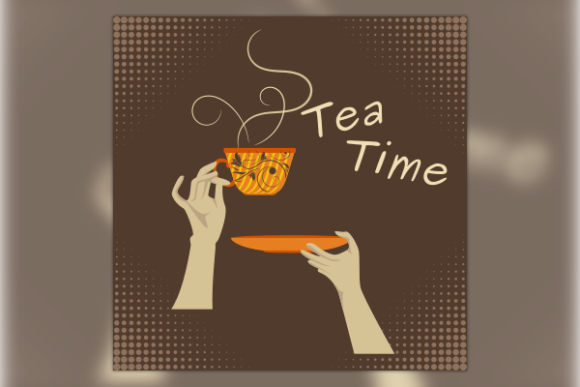
Hand Holding a Cup of Tea Illustration Review
A Warm Welcome to a Cozy Design
At first glance, the Hand Holding a Cup of Tea Illustration feels like a comforting moment captured in art. The flat style with halftone effects on the corners gives it a modern yet nostalgic vibe that immediately brings to mind cozy tea shops, quiet afternoons, and handcrafted moments. This design isn’t just an illustration—it’s a mood.
The floral patterned cup and the gentle curve of the hand create a soft, inviting shape that naturally fits into projects centered around relaxation, comfort, or personal care. It's not overly detailed, which is a plus for embroidery work, but still has enough character to stand out as a focal point.
How It Stands Up in Real Embroidery Projects
As someone who regularly works with machine embroidery designs, I’ve tested this Illustration across several embroidered patch and tote bag design projects. Its simplicity makes it adaptable, but I found it shines best on larger surfaces where the halftone effects can breathe and the floral details aren’t lost in small spaces.
For custom apparel like sweatshirts or sweatshirt embroidery, this design adds a subtle elegance without overwhelming the garment. It works particularly well on light-colored fabrics, where the contrast between the embroidery and the background enhances the visual appeal. On darker fabrics, though, it may require careful selection of thread colors to maintain clarity.
If you're looking for a personalized gift or a handmade product that feels both thoughtful and artistic, this illustration could be the perfect fit. I’ve used it on pillow covers and kitchen towels for boutique-style home goods, and each time, customers commented on how it added a sense of warmth and personality to the item.
Where to Use with Caution
While the Hand Holding a Cup of Tea Illustration is versatile, there are a few scenarios where it might need extra attention. For example, using it on small hoop sizes could cause some of the halftone details to get lost in the stitching. Similarly, if you're working with textured fabrics or thin fabric, it's important to use the right stabilizer to prevent distortion.
Stretchy fabric like knits can also pose a challenge, especially when using dense stitch areas. I recommend testing the embroidery file on scrap fabric first to see how the stitch density interacts with the material. Also, be mindful of curved surfaces like caps or hats—this design may require adjustments to maintain its visual integrity.
Design Considerations for Embroidery Success
Before committing to a project, I always suggest checking a few key factors. First, test the design on a scrap piece of fabric to ensure the running stitch and satin stitch elements look clean and crisp. Then, consider how the thread colors will interact with your chosen fabric—especially if you're aiming for a handmade product that needs to stand out against dark or busy backgrounds.
Also, don’t forget about design assets like printable mockups or digital previews. These help you visualize how the final finished product will look before investing in materials. And if you're an Etsy seller or running a craft business, make sure you understand the licensing terms before selling any finished items or digital embroidery files.
Final Thoughts on Value and Appeal
The Hand Holding a Cup of Tea Illustration is more than just a graphic—it’s a story waiting to be stitched onto fabric. Whether you’re creating holiday embroidery, nursery decor, or small shop products, this design brings a unique charm that can elevate your commercial embroidery projects.
It’s not perfect for every situation, but that’s okay. What matters is knowing when and how to use it effectively. With the right preparation and a little creativity, this Graphics asset can become a favorite in your design toolkit.